What is a discovery call? Questions, script and follow-up
By The unfill.io team · · Updated · 6 min read
Short answer
A discovery call is the first real conversation between a seller and a potential customer, where the seller asks about the buyer's situation, problem and buying process before pitching anything. Its job is to check fit and, if there is one, book a concrete next step, then follow up the same day in the buyer's own words.
Jump to the script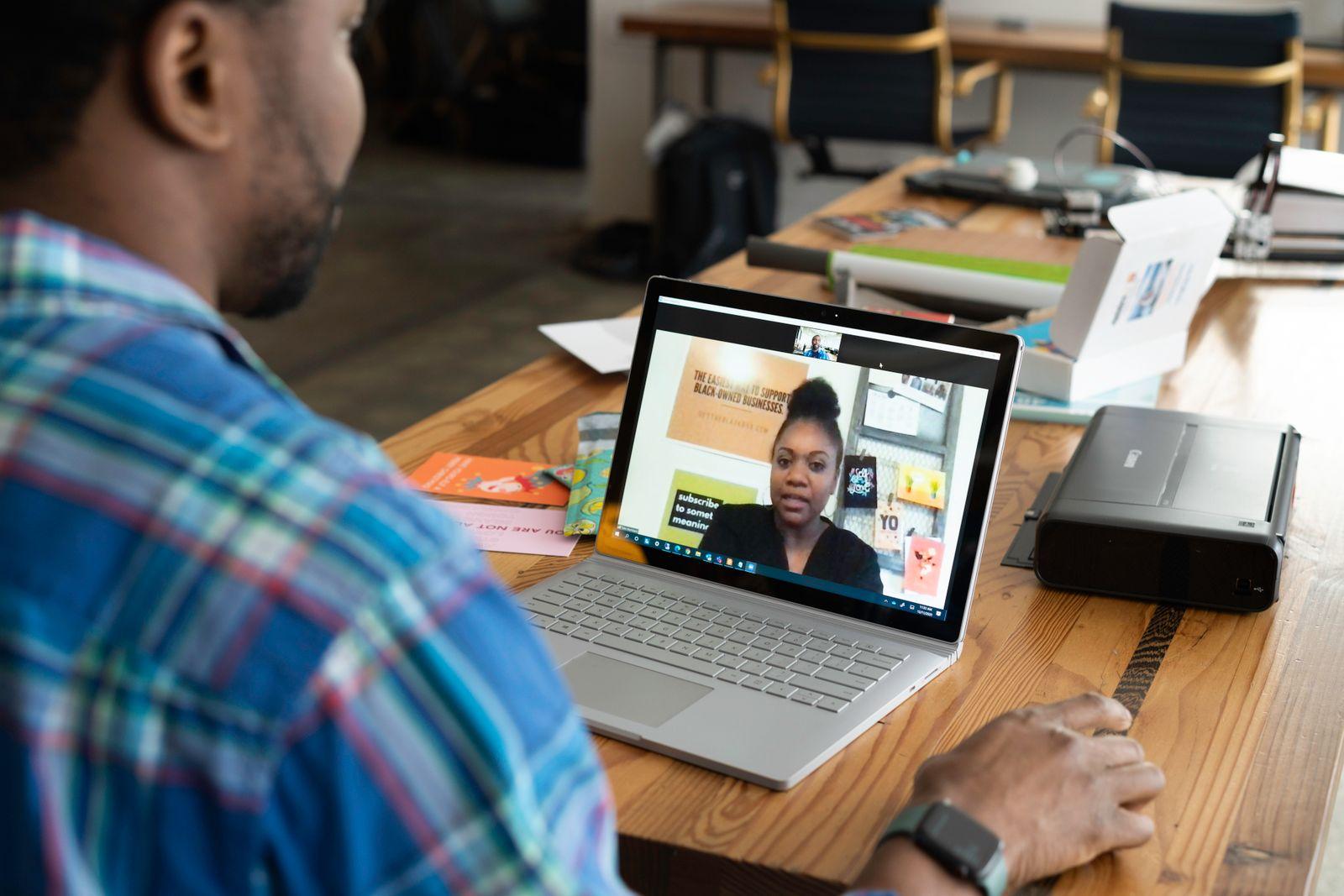
What is a discovery call? It's the first proper conversation between a seller and a potential customer, where the seller asks questions before pitching anything. You learn the buyer's problem, how they decide, and whether you can help. If you can, it ends with a next meeting booked.

What is a discovery call?
It happens after a prospect shows interest, such as a form, a reply or a referral. You need to learn three things:
- The problem. What isn't working, in their words, and what it costs them.
- How they buy. Who decides, what they'll compare you with, and when they need it solved.
- Whether you can help. Finding out "no" in 30 minutes beats finding it out after three demos.
Coaches, consultants and agencies also use "discovery call" for a free first call to check fit before quoting.

Discovery call vs. cold call vs. demo
| Cold call | Discovery call | Demo | |
|---|---|---|---|
| When | Before any contact | After the prospect shows interest | After discovery, once there's a fit |
| Who talks most | The seller | The buyer | The seller, showing the product |
| Goal | Get a meeting | Understand the problem and qualify | Show how the product solves that problem |
| Ends with | A booked discovery call | A booked next meeting, or a polite no | A proposal, a trial, or a decision step |
A demo before discovery is a guess. A demo after it shows the three things the buyer said they need.
A discovery call where the seller talks the whole time is just a demo with worse slides.
How to prepare for a discovery call
Spend 15 minutes, not an hour:
- The company. What they sell, rough size, recent news.
- The person. Their role and what they're likely measured on.
- How they found you. The form or email shows what was on their mind.
- A hypothesis. One or two problems to test, not pitch.
- Your questions. Eight to ten.
Send a short agenda beforehand.

How to run a discovery call, step by step
- Open with the agenda (about 2 minutes). Ask what they want from the call.
- Ask about their situation (about 5 minutes). How things work today. Keep it short.
- Dig into the problem (10 to 15 minutes). What isn't working, how often, what it costs. Follow their answers.
- Map how they buy (about 5 minutes). Who else is involved, budget, timing.
- Agree the next step (about 3 minutes). Book it on the call, with a date. "Let's follow up next week" is not a next step.
If a buyer says "just show me the product", try: "Happy to. Can I ask two quick questions first, so I show you the right part?"
Discovery call questions to ask
| Topic | Questions |
|---|---|
| Situation | "How do you handle this today?" "Who's involved in that process?" |
| Problem | "What isn't working about the current way?" "When did that start to matter?" |
| Impact | "What happens if nothing changes in the next six months?" "Where does that show up in your numbers?" |
| Decision | "Who else would be involved in a decision like this?" "How have you bought something similar before?" |
| Timing | "Is there a date this needs to be solved by?" "What else is competing for budget this quarter?" |
| Fit | "What would make this a clear yes for you?" "What would make it a no?" |
Ask one question at a time. Avoid scripted openers, budget in minute one, and leading questions. When an answer is vague: "Can you walk me through the last time that happened?"
Discovery call frameworks: SPIN, BANT and MEDDIC
| Framework | Stands for | Best for |
|---|---|---|
| SPIN | Situation, Problem, Implication, Need-payoff | Structuring the conversation itself |
| BANT | Budget, Authority, Need, Timeline | Quick qualification of smaller deals |
| MEDDIC | Metrics, Economic buyer, Decision criteria, Decision process, Identify pain, Champion | Complex deals with several stakeholders |
SPIN came out of Neil Rackham's research at Huthwaite into 35,000 sales calls (Huthwaite's guide to SPIN Selling). MEDDIC was created at PTC in 1996 by Dick Dunkel with Jack Napoli (MEDDICC's history of the framework).
Run the call with SPIN; use BANT or MEDDIC as a checklist after.
A discovery call script you can adapt
A map, not a script to read aloud.
Opening. "Thanks for the time. In 30 minutes I'd like to understand how you handle [area] today and where it gets in the way, then agree next steps if it makes sense. Anything you want to cover?"
Situation. "Walk me through how [process] works today. Who's involved?"
Problem. "You mentioned [thing from their form or email]. What isn't working about it?"
Impact. "When that happens, what does it cost you?"
Decision. "If you decided to change this, who else would be part of that decision?"
Timing. "Is there a date driving this?"
Next step. "It's worth showing you how we handle [their problem]. Does Thursday at 2pm work, with [the person they named]?"

What to write down during a discovery call
Write the buyer's words, not your summary. "They need better reporting" is yours. "I spend every Monday morning rebuilding the same spreadsheet" is theirs. Follow-up templates fail because they're generic; the follow-up that works uses the buyer's own words.
Capture at minimum:
- The problem, quoted.
- Any number: hours, cost, team size, a deadline.
- Every person they name, and their part in the decision.
- The next step, with its date.
Recording the call, with permission, lets you listen instead of type (how to take effective meeting notes).

What to send after a discovery call
Send a short follow-up the same day: what you heard, what you agreed, and the next step with its date.
Hi Dana, thanks for the time today. What we heard: your team rebuilds the same pipeline report by hand every Monday, and you want that fixed before planning starts next quarter. Next step: a 30-minute demo on Thursday at 2pm with you and Marcus, focused on that report. The invite is on its way.
Send it as plain text. Our first follow-up email drafts came back with markdown bold markers, so "Decisions made" had double asterisks around it; pasted into Gmail, that's a row of stars for the customer. The drafts are plain text now.
If you record your calls, unfill.io turns the recording into the follow-up:
- Upload the file, uncheck the small talk, and pick the Sales follow-up deck.
- Get an editable PowerPoint built from what the buyer said, plus a follow-up email draft.
- A 19-minute sales call produced a 14-slide sales follow-up deck and email in about 56 seconds of generation.
See how the sales call follow-up works. On Pro, combine 2 to 10 recordings into one deck of patterns, as in customer interview synthesis. Try 2 decks free, no card required (see pricing).
When unfill.io isn't the right tool: during the call. It doesn't join calls, record live, or suggest questions in real time. If you didn't record, your notes are the record.
Questions
How long should a discovery call be?
A 30-minute slot works for most first calls: enough to understand the problem, learn how the buyer decides, and book a next step.
What is the difference between a discovery call and a sales call?
A discovery call is the first sales call, focused on questions and qualifying. Later calls, such as demos and negotiations, focus on the solution and terms.
How many questions should I ask on a discovery call?
Prepare eight to ten and expect to use fewer. Follow-up questions on the buyer's answers matter more than finishing your list.
What happens after a discovery call?
If there is a fit, send a short follow-up the same day and hold the next meeting, usually a tailored demo. If not, say so politely.
How do I know if a discovery call went well?
You can describe the buyer's problem in their own words, you know who else decides, and the next meeting is booked with a date.
What are the most common discovery call mistakes?
Pitching too early, asking several questions at once, accepting vague answers without asking for an example, and ending the call without a booked next step.
Should I record discovery calls?
It helps: you listen instead of typing and keep the buyer's exact words. Always ask permission first, since consent rules vary by location.
What is a discovery call for coaches and consultants?
The same idea outside sales: a short, often free call to understand a client's goals and check fit before you quote.
Turn a recording into an editable deck
Try 2 decks free, no card required. Editable PowerPoint. No watermark.
- No card required
- Files auto-delete